Discover Sustainable Textiles: Primewool's Unique Offerings
In a world increasingly aware of environmental issues, the textile industry is undergoing a significant transformation. Sustainable textiles are no longer just a trend; they are becoming a necessity. Among the leaders in this movement is Primewool, a brand that stands out for its commitment to eco-friendly practices and innovative materials. This post will explore Primewool's unique offerings, the benefits of sustainable textiles, and how they are shaping the future of fashion.
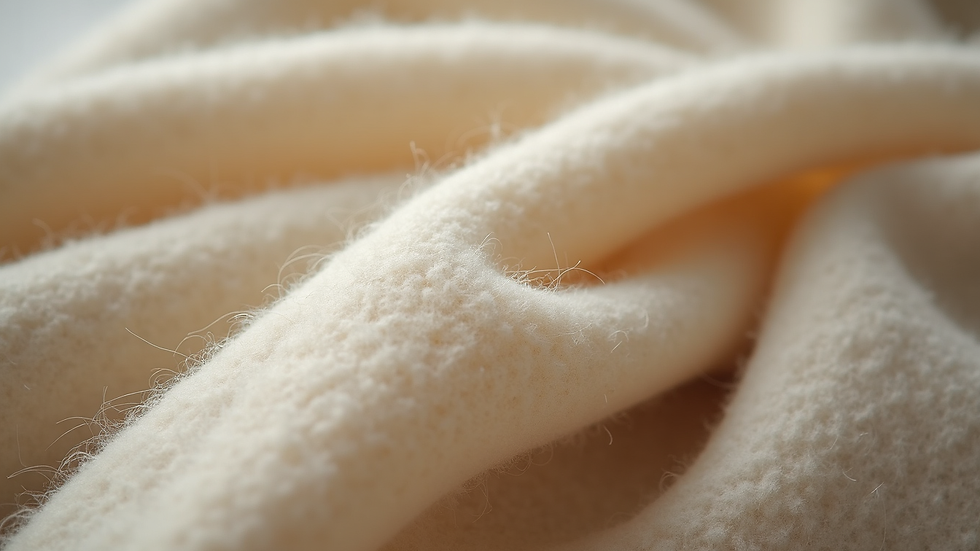
Understanding Sustainable Textiles
Sustainable textiles refer to fabrics that are produced with minimal environmental impact. This includes the use of organic materials, eco-friendly dyes, and processes that reduce waste and pollution. The goal is to create textiles that are not only beautiful and functional but also kind to the planet.
The Importance of Sustainable Textiles
The textile industry is one of the largest polluters in the world. From water consumption to chemical runoff, traditional textile production has significant environmental consequences. By choosing sustainable textiles, consumers can help reduce their carbon footprint and support ethical practices.
Key benefits of sustainable textiles include:
Reduced Environmental Impact: Sustainable textiles often use less water and energy in production.
Healthier for Consumers: Many sustainable fabrics are free from harmful chemicals and toxins.
Support for Ethical Practices: Many sustainable brands prioritize fair labor practices and support local communities.
Primewool's Commitment to Sustainability
Primewool is dedicated to creating high-quality textiles that are both sustainable and stylish. Their commitment to eco-friendly practices is evident in every aspect of their production process.
Sourcing Materials Responsibly
Primewool sources its wool from farms that practice sustainable grazing. This not only ensures the health of the sheep but also promotes biodiversity in the surrounding ecosystems. By using natural fibers, Primewool reduces reliance on synthetic materials, which are often derived from petroleum.
Innovative Production Techniques
The production techniques used by Primewool are designed to minimize waste and energy consumption. For example, they utilize water-efficient dyeing processes that reduce water usage by up to 50%. This innovative approach not only conserves resources but also results in vibrant, long-lasting colors.
Transparency and Traceability
One of the standout features of Primewool is its commitment to transparency. Customers can trace the origin of their textiles, ensuring that they are supporting ethical practices. This level of transparency builds trust and encourages consumers to make informed choices.
The Range of Primewool Products
Primewool offers a diverse range of products that cater to various needs and preferences. From clothing to home textiles, their offerings showcase the beauty and versatility of sustainable wool.
Clothing Line
Primewool's clothing line features stylish and comfortable garments made from high-quality wool. Their designs are timeless, ensuring that customers can enjoy their pieces for years to come.
Popular items include:
Sweaters: Soft and warm, perfect for layering in colder months.
Scarves: Lightweight yet insulating, ideal for any season.
Coats: Durable and stylish, designed to withstand the elements.
Home Textiles
In addition to clothing, Primewool also offers a selection of home textiles. These products are designed to enhance living spaces while promoting sustainability.
Featured home textiles include:
Blankets: Cozy and warm, perfect for snuggling up on chilly nights.
Cushions: Stylish additions that provide comfort and support.
Rugs: Durable and easy to clean, adding a touch of elegance to any room.
The Future of Sustainable Textiles
As consumers become more conscious of their purchasing decisions, the demand for sustainable textiles is expected to grow. Brands like Primewool are leading the way by demonstrating that eco-friendly practices can coexist with style and quality.
Challenges Ahead
While the future looks promising, there are challenges to overcome. The textile industry must continue to innovate and find ways to reduce its environmental impact. This includes exploring new materials, improving production processes, and educating consumers about the benefits of sustainable textiles.
Consumer Responsibility
Consumers play a crucial role in the future of sustainable textiles. By choosing brands that prioritize sustainability, individuals can drive change within the industry. Supporting companies like Primewool not only promotes eco-friendly practices but also encourages other brands to follow suit.
Conclusion
Primewool is at the forefront of the sustainable textile movement, offering unique products that combine style, quality, and environmental responsibility. By choosing sustainable textiles, consumers can make a positive impact on the planet while enjoying beautiful, functional products. As we move forward, it is essential to support brands that prioritize sustainability and to make conscious choices in our purchasing decisions. Together, we can shape a more sustainable future for the textile industry.
